Kesa
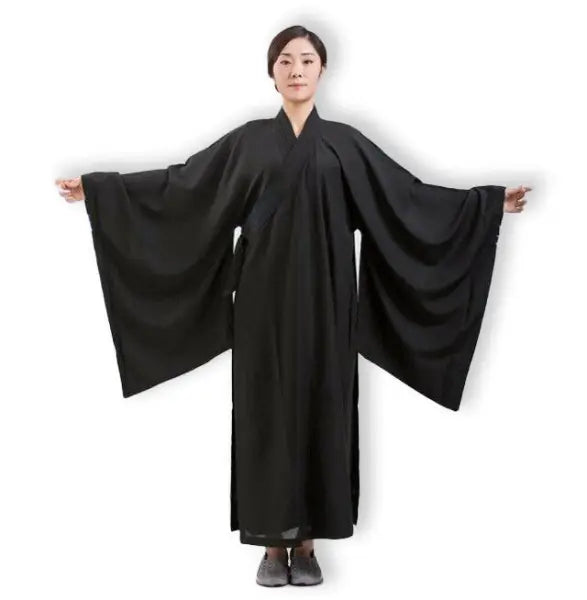
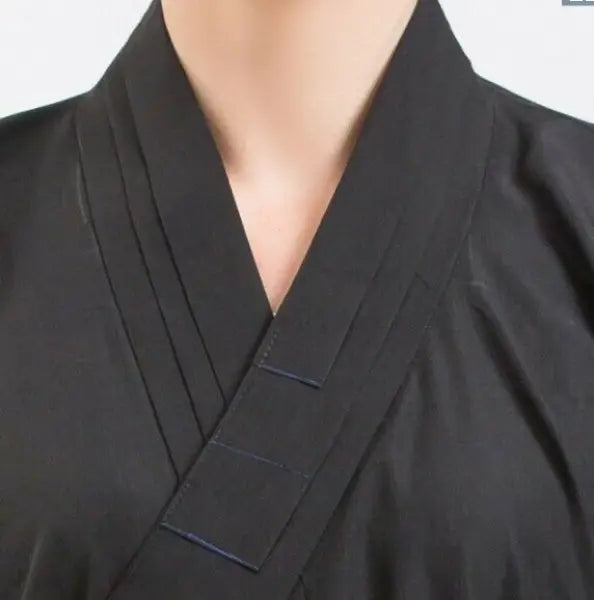
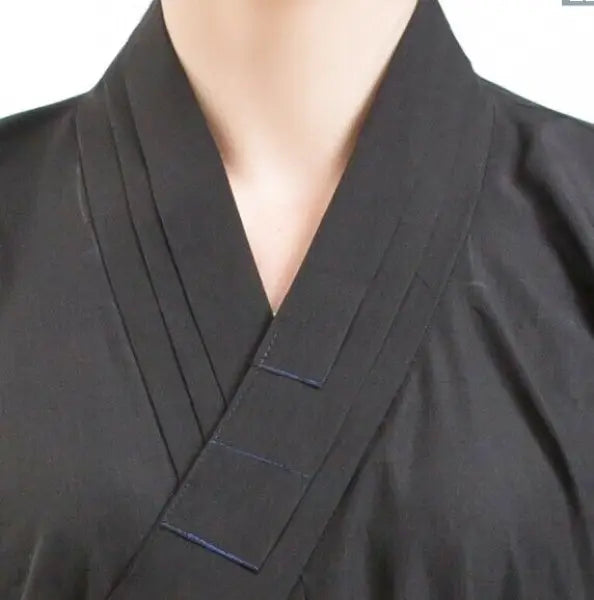
Black Zen Kesa
Original price was: £101.99.£67.99Current price is: £67.99.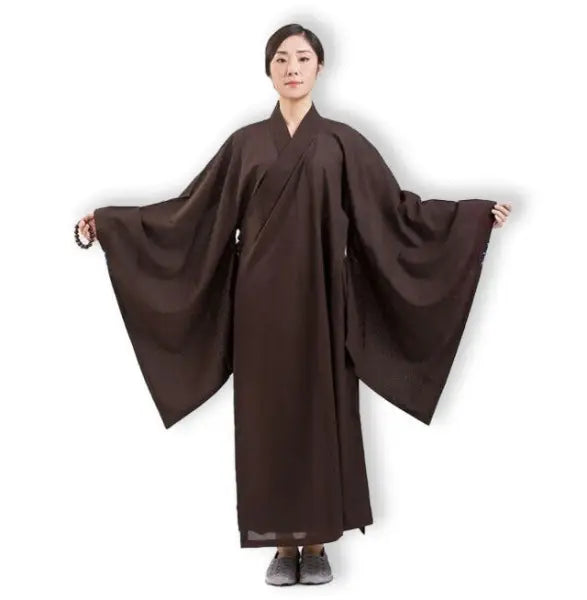
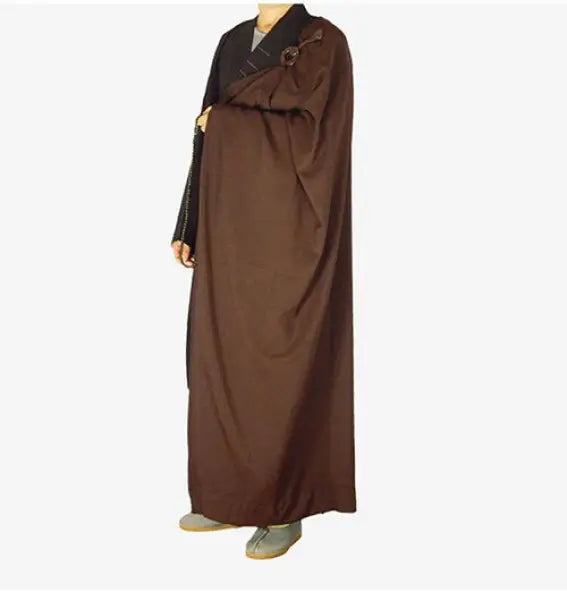
Brown Japanese Kesa
Original price was: £101.99.£67.99Current price is: £67.99.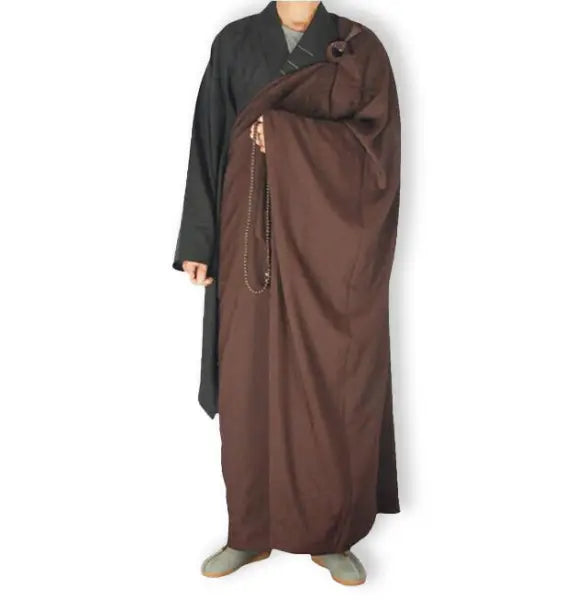
Kesa Buddhist Monk Robe
Original price was: £121.99.£80.99Current price is: £80.99.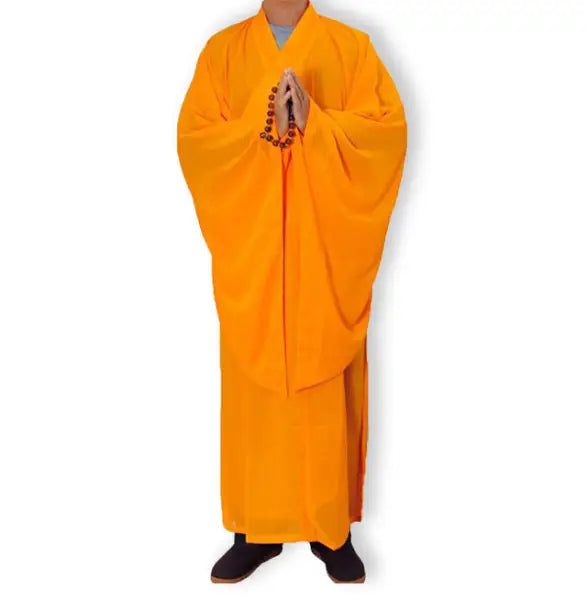
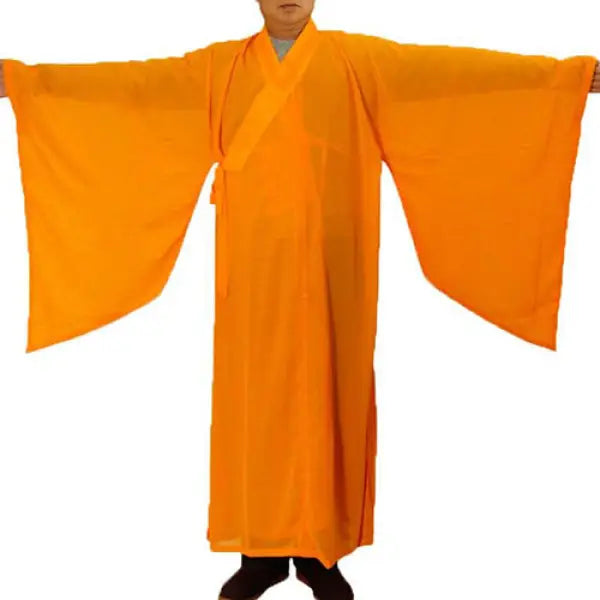
Kesa Orange Buddhist Monk Robe
Original price was: £101.99.£67.99Current price is: £67.99.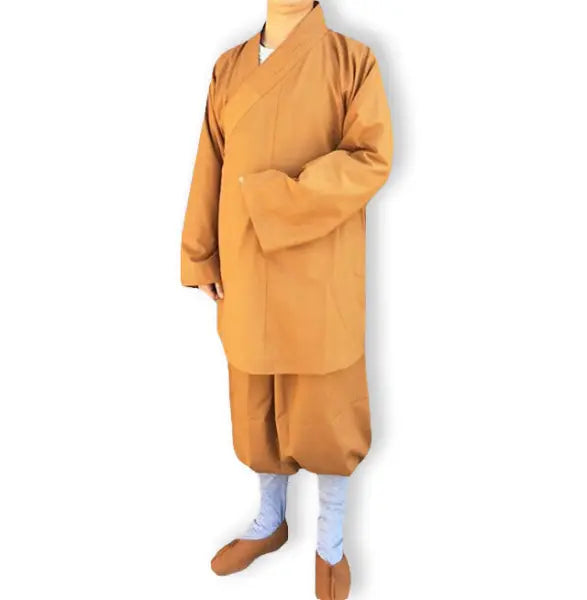
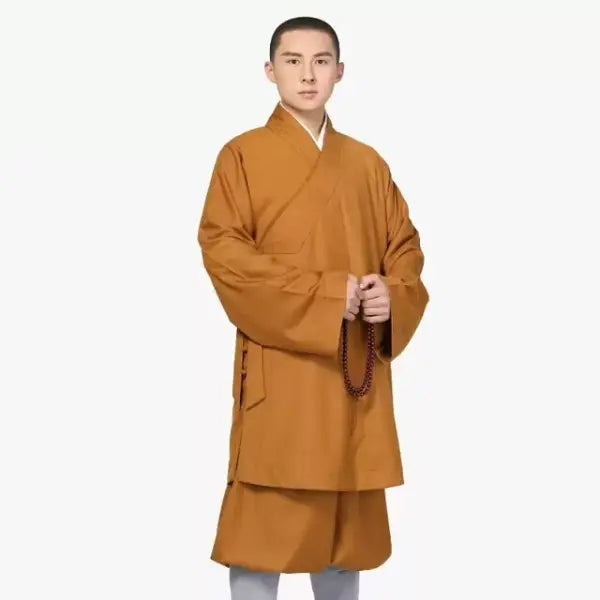
Kesa Shaolin Monk Garment
Original price was: £127.99.£84.99Current price is: £84.99.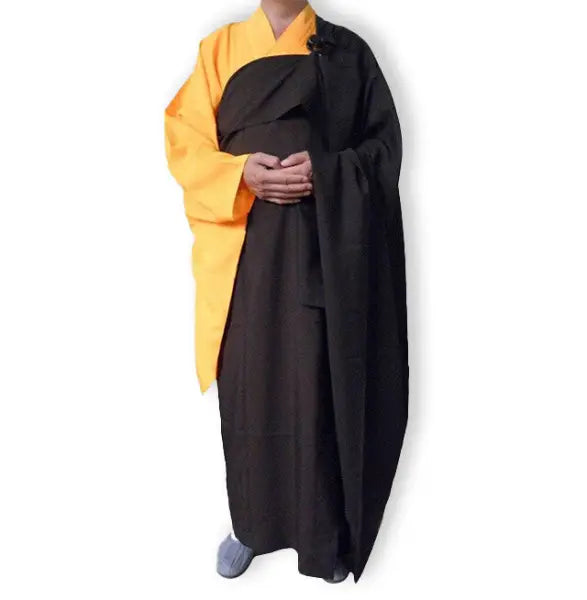
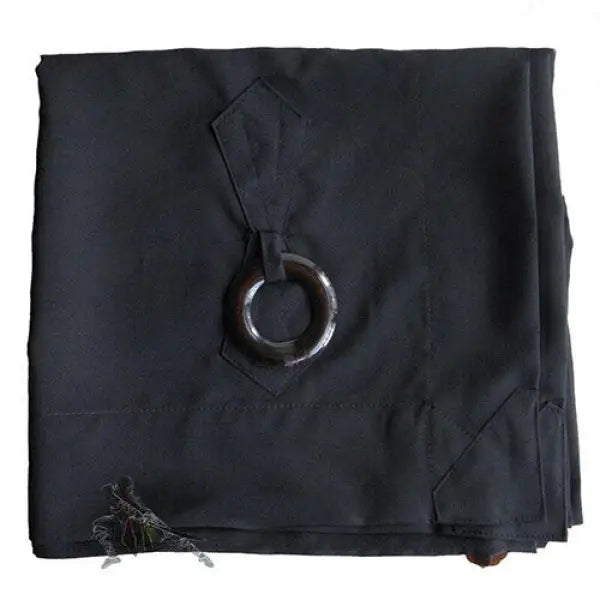
Kesa the Men’s Buddhist Garment
Original price was: £113.99.£75.99Current price is: £75.99.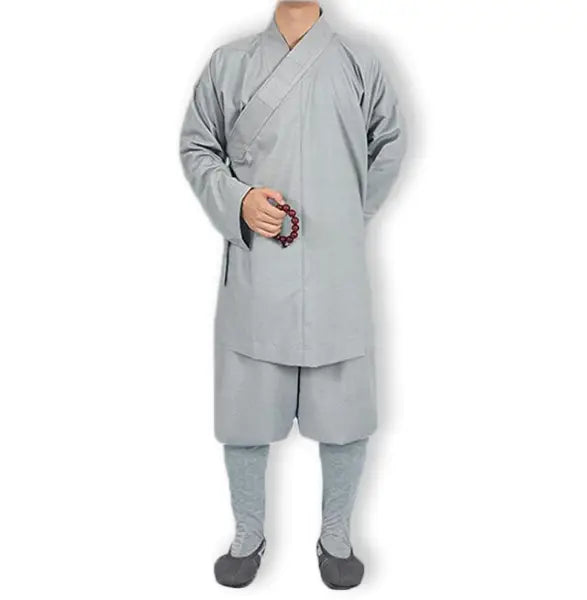
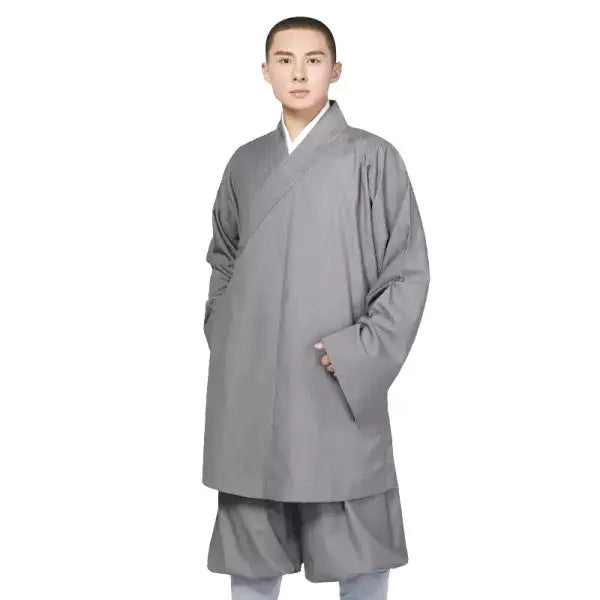
Kesa the Shaolin Monk Costume
Original price was: £127.99.£84.99Current price is: £84.99.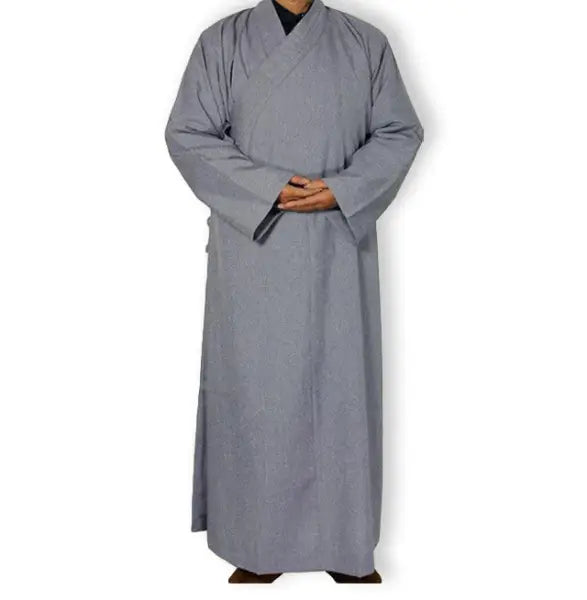
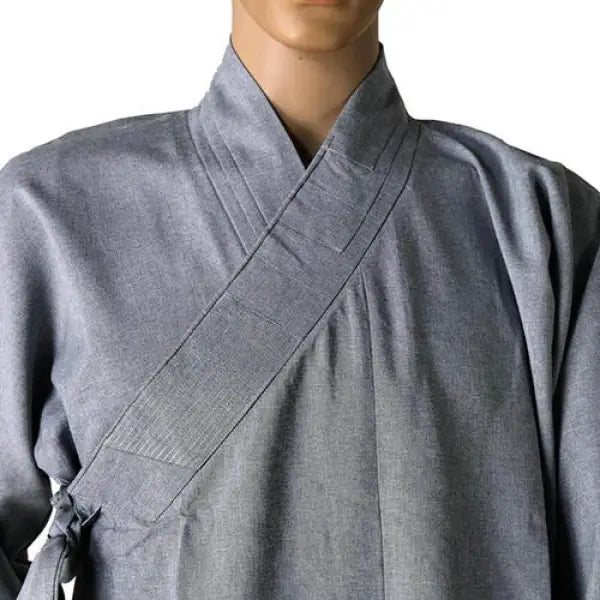
Kesa the Traditional Buddhist Garment
Original price was: £101.99.£67.99Current price is: £67.99.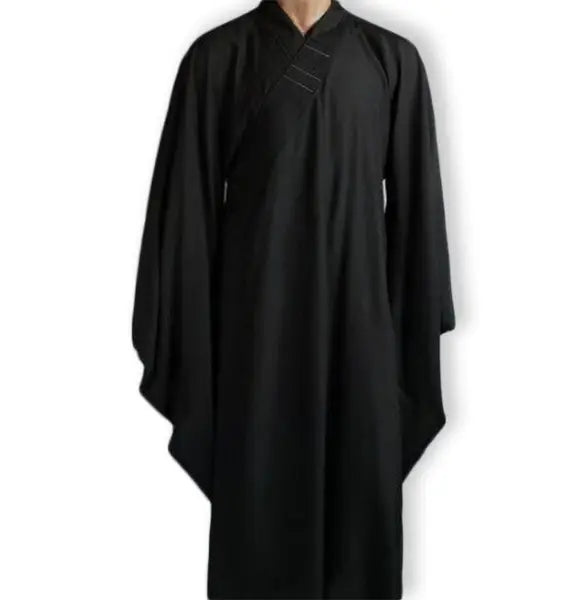
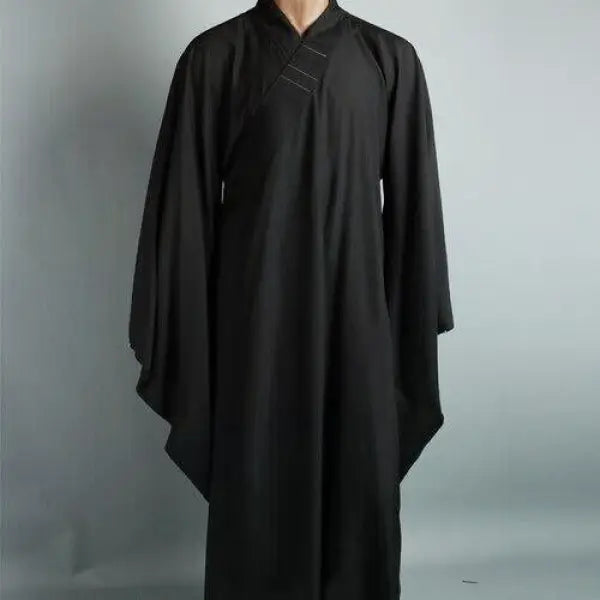
Kesa Traditional Buddhist Garment
Original price was: £124.99.£82.99Current price is: £82.99.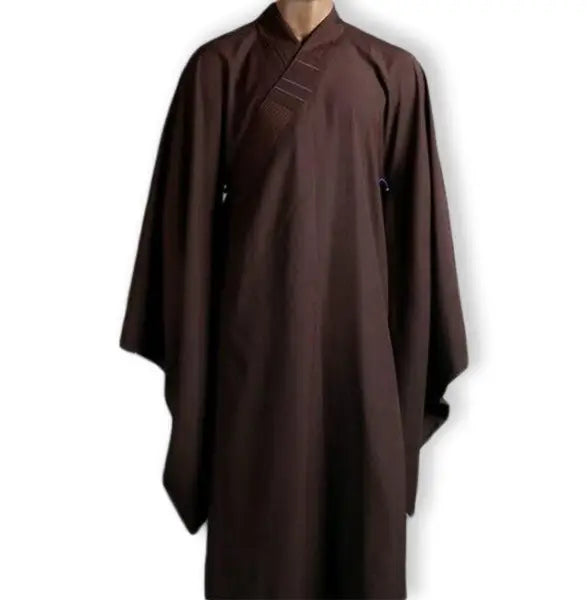
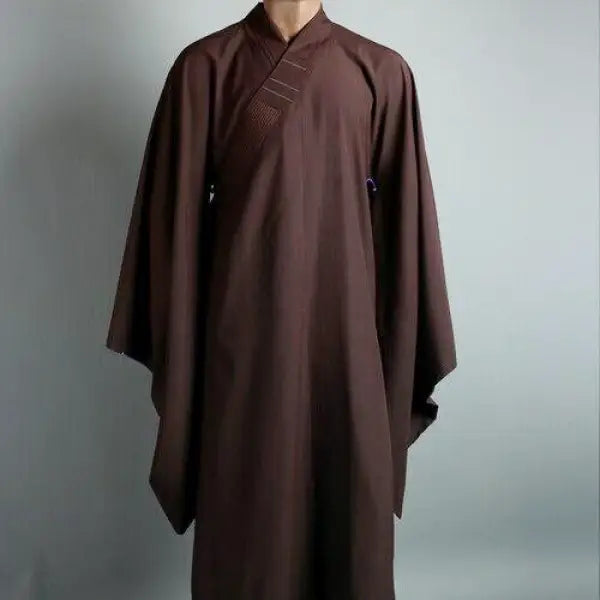
Kesa, the Buddhist Monk’s Costume
Original price was: £124.99.£82.99Current price is: £82.99.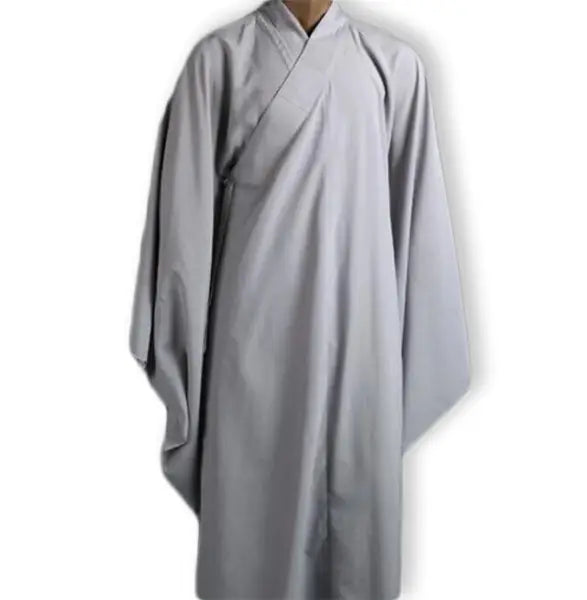
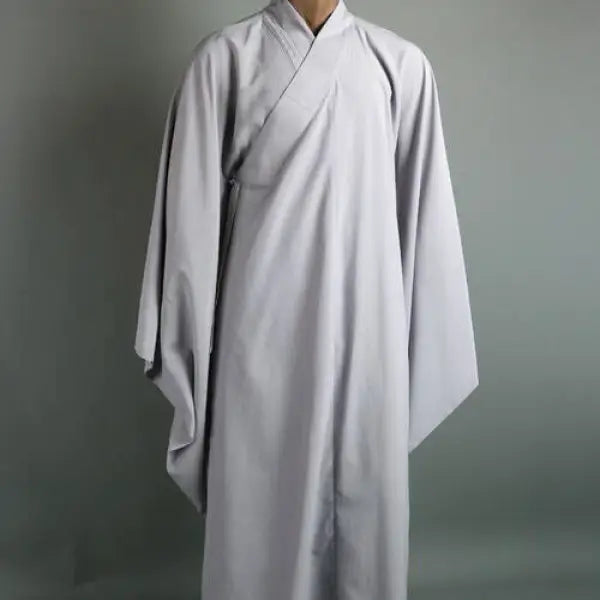
Kesa, the Buddhist Monk’s Garment
Original price was: £124.99.£82.99Current price is: £82.99.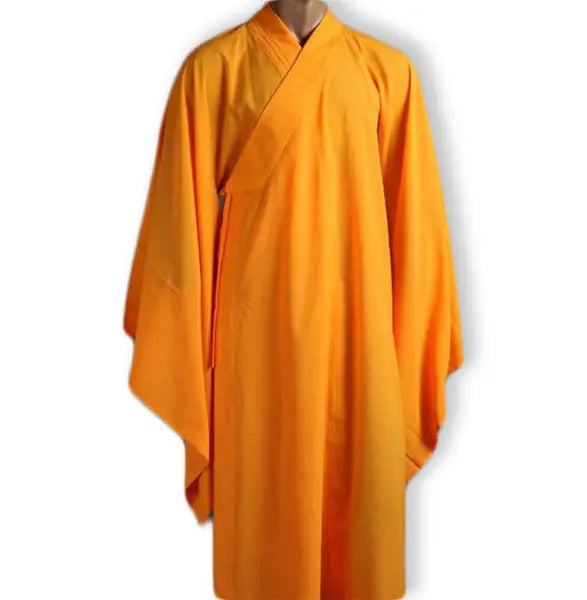
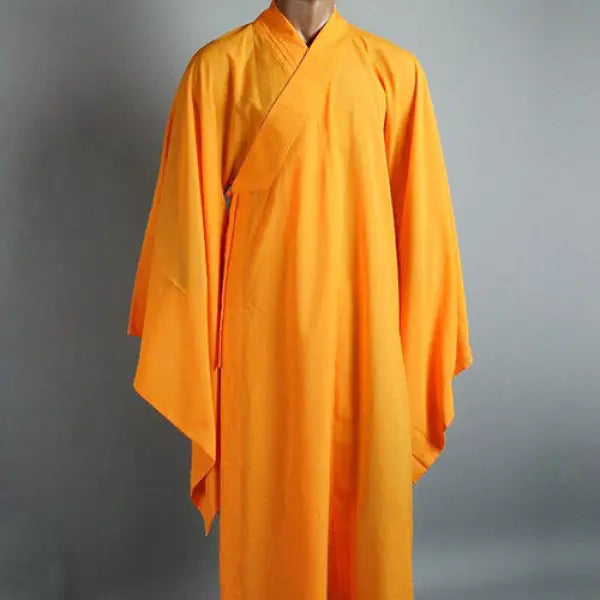
Kesa, the Garment Worn by Buddhist Monks
Original price was: £124.99.£82.99Current price is: £82.99.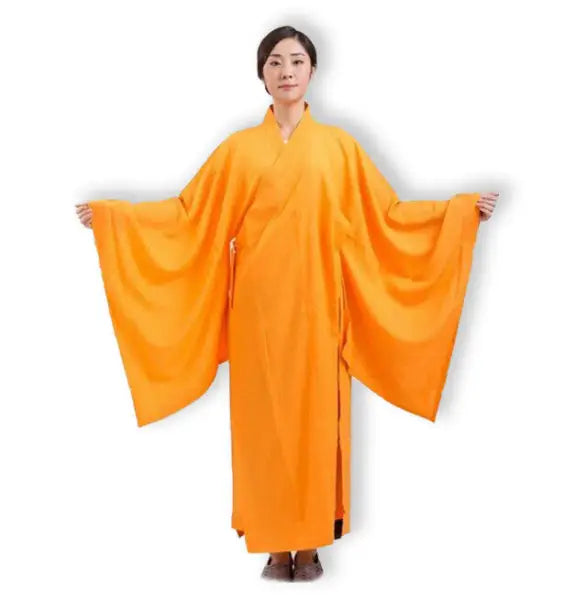
Meditation Buddhist Kesa
Original price was: £101.99.£67.99Current price is: £67.99.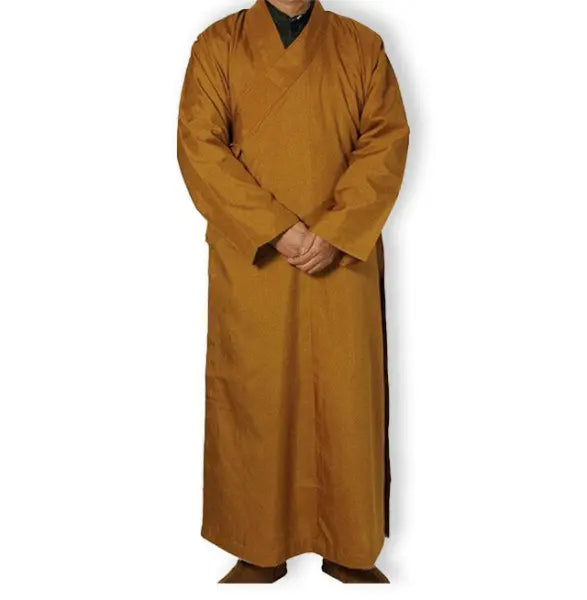
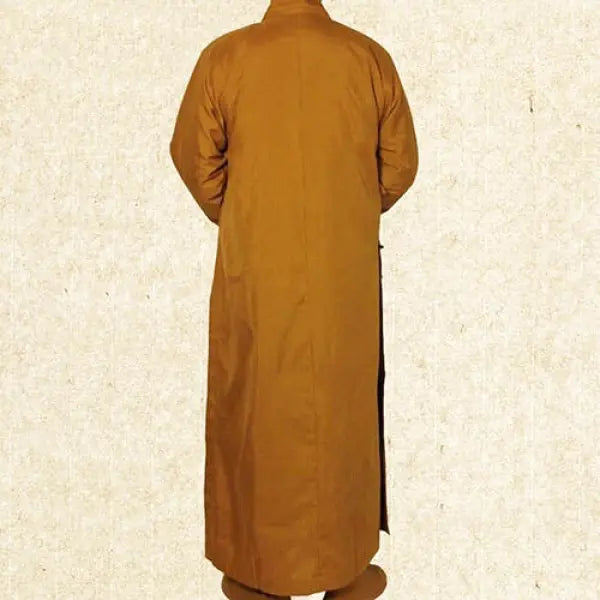
Men’s Buddhist Robe
Original price was: £101.99.£67.99Current price is: £67.99.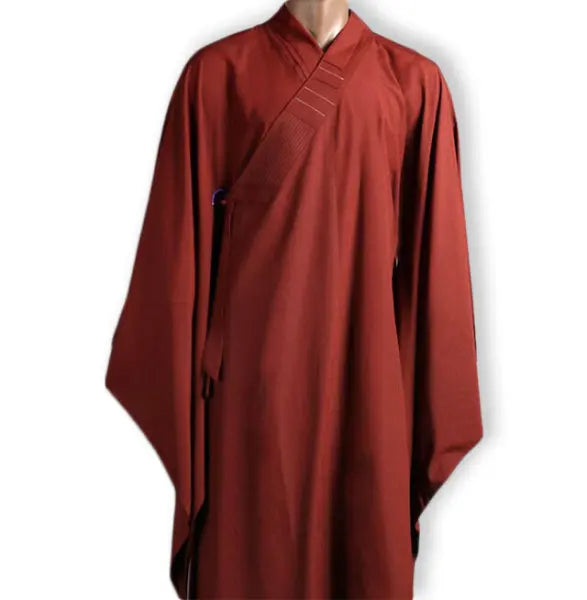
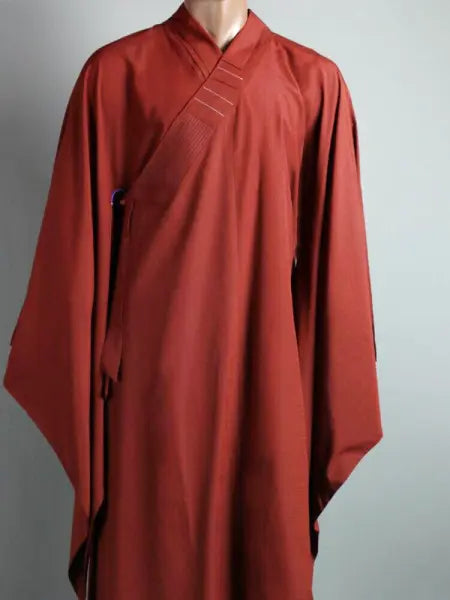
Zen Monk Robe
Original price was: £112.99.£74.99Current price is: £74.99.Origin and history of the Buddhist Kesa
The kesa, the emblematic garment of monks and Buddhist nuns, has crossed the centuries without ever losing its spiritual depth. More than just a monastic robe, it embodies the fundamental values of the Buddhist tradition: humility, simplicity and detachment.
If you have already traveled to countries like Thailand, Sri Lanka or Tibet, you have certainly noticed these Buddhist robes in vibrant colors, worn by monks in the street or during religious ceremonies. This attire is not chosen at random: each shade tells a story.
The colors of the kesa: a deep symbolism
In most Buddhist traditions, the kesa comes in several shades, each carrying a particular meaning.
- Saffron orange: the best-known color, a symbol of purity and renunciation of material attachments.
- Brown or dark red: favored by certain schools of Tibetan Buddhism, they evoke groundedness in practice and rigorous monastic life.
- Gray or black: worn mainly in Zen lineages, they highlight the radical simplicity advocated by this path.
Why is the Buddhist kesa often orange?
The origin of this color goes back to the very first Buddhist monks, who made their kesa from discarded rags. These fabrics were then dyed with whatever was available: bark, spices or local plants. Saffron dye, easy to obtain, quickly became the norm.
Even today, the orange kesa remains a strong symbol of purity, but also of detachment from the material world. This tradition endures, even though each Buddhist school has sometimes developed its own colored variations.
The Buddhist Kesa: A Spiritual Symbol and Monastic Heritage
Beyond its function as clothing, the Buddhist kesa is a true living relic, passed down for over 2,500 years. Every fold of this fabric tells the story of those who devoted their lives to the path of the Dharma.
Wearing a kesa means embracing a deep commitment to the teachings of the Buddha, but also displaying total detachment from material desires. It symbolizes this desire to free oneself from the ego, in order to fully anchor oneself in spiritual practice.
What is a Kesa made of?
Traditionally, a kesa is a rectangular piece of fabric, made from salvaged rags then sewn together. This ancestral practice recalls the fundamental humility that permeates monastic life.
The size, the cut and even the way the strips are sewn vary depending on the Buddhist schools. However, one constant remains: the kesa is worn draped over one shoulder, leaving the other bare, or covering both shoulders depending on local customs.
The materials used also reflect this adaptation to local conditions:
- Cotton in hot climates.
- Linen for its rustic simplicity.
- Silk in regions where this material is more accessible (particularly in certain Tibetan lineages).
Who can wear a Kesa today?
Once strictly reserved for monks and nuns, the Buddhist kesa is now opening up to a new dimension. Some lay practitioners engaged in an advanced spiritual path may be allowed to wear it, as a sign of respect for the tradition and profound devotion.
In certain lineages, receiving one's first kesa during a ceremony symbolizes a true rite of passage. This gesture seals a firm commitment to the practice of the Dharma, whether one is a monk or a lay practitioner.
A garment with many faces depending on Buddhist traditions
The kesa does not have the same shape, nor the same color, in every Buddhist school. Each tradition has adapted this sacred garment to its own spiritual customs and cultural environment.
- In Theravāda Buddhism: the saffron kesa embodies purity, detachment and humility.
- In Mahāyāna Buddhism: it is sometimes black, gray or brown, worn over another monastic robe.
- In Zen Buddhism: advanced laypeople or monks in training often wear a Rakusu, a smaller version of the kesa, tied around the neck.
Whatever its style or color, the Buddhist kesa remains a symbolic bridge between the individual and the great lineage of practitioners who came before.
Why wear a Buddhist Kesa?
One might wonder why, today, one would choose to wear a kesa when meditating, practicing or attending a ceremony. After all, isn't it possible to simply meditate in everyday clothes?
In reality, the kesa is not just clothing, it is a spiritual tool in its own right — an spiritual tool. By putting it on, the practitioner marks an inner transition: they leave the profane world to enter fully into a sacred space dedicated to meditation, prayer or teaching.
A garment that fosters mindfulness
In the Buddhist tradition, every gesture matters. By wearing a kesa, one adopts an inner posture of respect, contemplation and total presence. This simple act helps cultivate mindfulness, constantly recalling the commitment made to oneself and to the path of the Dharma.
A symbolic link with the monastic lineage
Wearing the kesa also honors all the monks, nuns and lay practitioners who, before us, walked the same spiritual path. In many traditions, the presentation of the kesa during a monastic ordination or a lay commitment ceremony marks official entry into the Buddhist community.
How to wear a Buddhist Kesa?
The kesa is worn in different ways depending on the schools and the occasions. Here are the most common styles:
- On the left shoulder, leaving the right shoulder bare, as in the tradition of Theravāda Buddhism.
- Wrapped around both shoulders, more common in certain lineages of Mahāyāna Buddhism and Vajrayāna.
- As a shawl, especially in cold weather, to combine comfort with respect for tradition.
Each way of wearing it carries a symbolism and reflects an inner attitude: humility, concentration or receptiveness to the teaching.
Why buy a Kesa, the traditional Buddhist attire?
If you practice meditation regularly or follow the teachings of the Dharma, acquiring a Buddhist kesa can deeply enrich your spiritual journey.
Here are some common reasons why our customers choose to treat themselves (or someone else) to a kesa:
- Immersing oneself in practice: Wearing it helps create a sacred setting, even at home.
- Expressing a personal commitment: Receiving a kesa can symbolize an important step in a spiritual journey.
- Respecting a tradition: For those who follow formal Buddhist teaching, wearing the kesa is often recommended, if not required.
- Connecting with an age-old culture: More than a garment, it is a living heritage.
In some popular beliefs, the kesa is even considered a good luck charm, bringing spiritual protection and fostering positive energy around oneself.
The Kesa in the modern world
While monks and nuns in Asia continue to wear the kesa in their daily lives, this ancestral garment is now experiencing renewed interest in the West.
More and more lay practitioners — particularly in the Zen and Tibetan Buddhist schools — are adopting this traditional garment for their meditation practices, spiritual retreats, or simply to express their attachment to Buddhist values.
In certain spiritual circles, wearing a kesa during group meditation sessions is a way of connecting with the group's energy and expressing one's personal commitment.
Kesa and ecology: a new awareness
At a time when the ecological impact of fashion is increasingly being questioned, some Buddhist communities are returning to the roots of the kesa:
- Textile upcycling: crafted from salvaged fabrics, as in the original tradition.
- Plant-based dyes: to limit environmental impact.
- Organic materials: organic cotton, hemp or linen from environmentally friendly farming.
Thus, choosing a kesa today is also sometimes an ecological act, in line with the teachings of the Buddha on respect for all forms of life.
An invitation to meditation and tradition
Whether you are an advanced practitioner, a lover of Buddhist culture, or simply seeking a spiritual garment full of meaning, our collection of Kesas invites you to discover this age-old symbol, carefully selected by Buddha House.
And if you would like to combine tradition and modernity, feel free to explore our collection of Buddha T-shirts, where sacred symbols and contemporary aesthetics come together harmoniously!